The Chief Minister Punjab Free Solar Panel Scheme represents a transformative initiative in Pakistan’s renewable energy landscape. Launched by Chief Minister Maryam Nawaz Sharif, this groundbreaking program aims to distribute 100,000 free solar systems to eligible households across Punjab, fundamentally changing how low-income families access electricity while promoting environmental sustainability. This visionary initiative addresses the dual challenges of rising electricity costs and environmental degradation by empowering ordinary citizens with clean, renewable energy solutions. The scheme operates under the broader Roshan Gharana Program, which seeks to illuminate homes across Punjab with sustainable power while reducing the burden on the national grid.
If you’ve applied for this scheme, checking your application status is crucial to know where you stand in the selection process. This comprehensive guide provides everything you need to know about checking your CM Punjab Solar Panel Scheme status online, understanding eligibility criteria, navigating the application process, and preparing for solar panel installation. With thousands of applications received and a transparent balloting system in place, staying informed about your application progress ensures you can take timely action when needed. Whether you’re waiting for balloting results, verification schedules, or installation timelines, knowing how to check your status empowers you to plan accordingly and address any issues that may arise during the process.
What is the CM Punjab Solar Panel Scheme?
The CM Punjab Solar Panel Scheme, officially known as the Chief Minister Free Solar Panel Scheme, is a government-backed initiative designed to provide completely free solar energy systems to deserving households across Punjab province. This program is part of the larger Roshan Gharana Program and represents a significant investment in renewable energy infrastructure, with a total budget allocation of Rs 9.88 billion including Rs 2.5 billion earmarked specifically for FY 2024-25.
The scheme emerged as a direct response to the electricity crisis affecting low-income families, who have been disproportionately impacted by rising power tariffs that now average Rs 50 per kilowatt-hour amid 25% inflation rates. Unlike subsidized loan programs or payment plans, this initiative offers completely free installation with zero upfront costs, making solar energy accessible to those who need it most.
Key Features of the Scheme
The program stands out for its comprehensive coverage of all installation costs, including solar panels, batteries, inverters, wiring, and professional installation services without any charges to selected households. The scheme specifically targets low-income families consuming between 0-200 units of electricity per month, ensuring that those most burdened by electricity costs receive priority assistance. From an environmental perspective, the initiative has already demonstrated significant impact by reducing over 57,000 tonnes of carbon emissions and aims to cut grid load by 100MW initially, contributing meaningfully to Pakistan’s ambitious goal of achieving 30% renewable energy by 2030.
The selection process employs a digital balloting system that ensures fair and transparent selection of beneficiaries, eliminating favoritism and corruption while ensuring merit-based distribution across all districts of Punjab. This computerized approach allows for verifiable, auditable selection that builds public trust in the program’s administration.
Solar System Specifications
The scheme provides different solar system capacities carefully calibrated to match household electricity consumption patterns and needs. Households consuming up to 100 units per month receive a 550-watt system, while those consuming between 101-200 units monthly are allocated a more powerful 1,100-watt (1.1 kW) system. Each complete system includes high-quality solar panels, typically from the trusted Longi brand known for reliability and efficiency, along with inverters that convert DC power to usable AC electricity, batteries for storing excess energy, complete wiring kits, and professional-grade mounting equipment.
These systems are specifically designed to power essential household appliances including lights, ceiling and table fans, televisions, and in many cases, small refrigerators, providing meaningful relief from electricity costs while ensuring families can maintain basic modern amenities even during load-shedding periods.
How to Check CM Punjab Solar Panel Scheme Status Online
Checking your application status is a straightforward process that can be completed in minutes from the comfort of your home without visiting any government office. The Punjab government has established multiple accessible methods to ensure all applicants, regardless of their technical expertise or internet access, can easily track their application progress. These methods include the official online portal, SMS-based checking, and a dedicated login system for registered users, each designed to provide real-time updates on application status, verification progress, and installation timelines. Understanding how to use these systems effectively ensures you never miss important notifications and can respond promptly when the verification team or installation crew needs to contact you.
Method 1: Online Portal Status Check
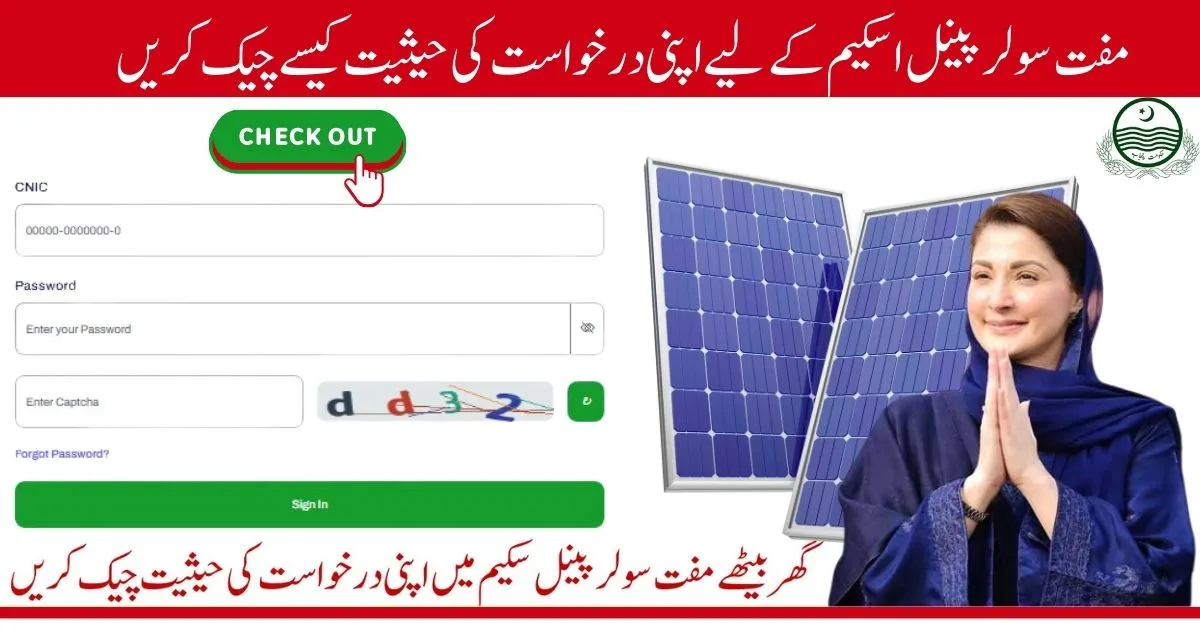
The primary and most comprehensive method for checking your status is through the official CM Solar Scheme website at https://cmsolarscheme.punjab.gov.pk/. For optimal performance and to avoid technical glitches, it’s recommended to use the Google Chrome browser, though the portal works on most modern browsers. The website is thoughtfully designed to be accessible in both English and Urdu languages, and you can easily toggle between them using the language selector prominently displayed at the top of every page, ensuring language is never a barrier to accessing information about your application.
To begin the status check process, first navigate to the homepage dashboard where you’ll find clearly labeled sections including “Ballot Result” and “Application Status” options. You can also directly access the dedicated status checking page through the direct URL http://cmsolarscheme.punjab.gov.pk/application-result, which saves time if you’re checking status frequently. The interface is designed to be user-friendly, with clear visual cues and simple navigation that even first-time users can understand without technical assistance.
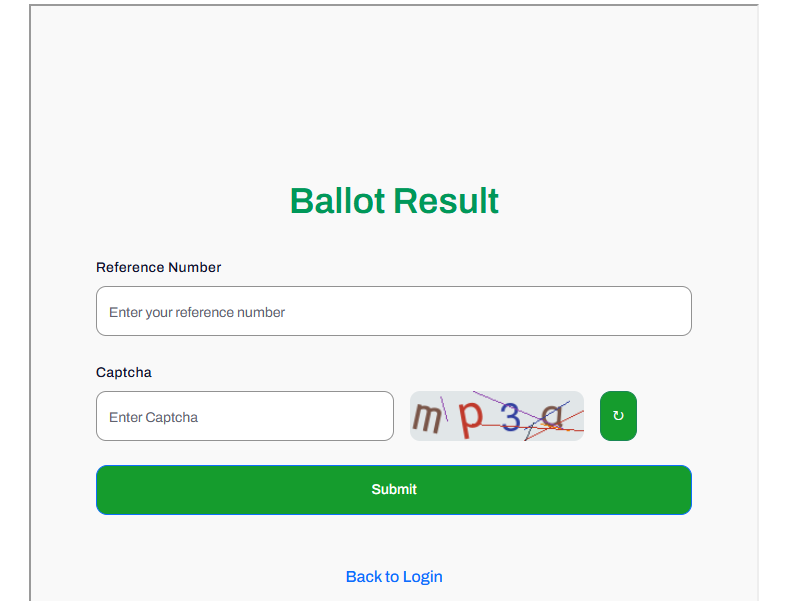
When entering your details for status verification, you’ll need to provide either your 13-digit CNIC number in the standard format like 12345-1234567-1, or alternatively, your unique application reference number that was provided when you initially submitted your application. It’s crucial to enter this information carefully, ensuring there are no errors, extra spaces, or missing digits, as even a single character mistake will prevent the system from locating your application. After entering your identification details, you’ll need to complete a CAPTCHA verification for security purposes, and if the CAPTCHA appears blurry or is difficult to read, simply click the refresh icon to generate a clearer one.
Once you click the “Check Status” button, your results load instantly on the screen with color-coded indicators for easy understanding. A green indicator signifies that your application has been selected or approved, yellow means your application is pending verification or under review, and red indicates rejection or that your application requires attention. The detailed status page displays comprehensive information including your application submission date, current verification status, balloting results, projected installation timeline if you’ve been selected, and if applicable, the specific reason for rejection with guidance on how to address the issue for future applications. This transparency allows applicants to understand exactly where they stand and what actions, if any, they need to take next.
Method 2: SMS Status Check
For citizens without reliable internet access or those who prefer a simpler approach, the Punjab government offers a convenient SMS-based status check service that works 24/7. To use this service, simply open your phone’s messaging or SMS application and compose a new message containing only your CNIC number without any dashes, entering all 13 digits continuously, or alternatively type your application reference number if you have it saved. Send this message to the designated short code 8800, which is the official number exclusively reserved for the CM Solar Scheme communication system.
Within just a few minutes, typically 2-5 minutes depending on network traffic, you’ll receive an automated response message containing your current eligibility status, the current stage of your application in the processing pipeline, and clear next steps if you’ve been selected for verification or installation. This SMS service remains available round-the-clock, making it especially convenient for people in rural areas or those who work irregular hours and cannot access the website during standard business hours.
Method 3: Login Portal for Registered Users
If you created a user account during the initial application process, you have access to the most comprehensive status checking method through the dedicated login portal. Navigate to https://cmsolarscheme.punjab.gov.pk/application/form and enter your credentials, which consist of your CNIC number and either the password you set during registration or your application ID if you chose not to create a password.
Once successfully logged in, you gain access to a personalized dashboard that displays far more detailed information than the basic status check, including your complete application history showing every step from submission to current status, document verification status indicating which documents have been reviewed and approved, communication history showing all messages and notifications sent to you, installation updates with specific scheduling information if you’ve reached that stage, and official contact information for support staff who can address your specific concerns.
This login method provides the most transparency and control, allowing you to update certain details if needed and ensuring you have a complete record of all interactions with the program administrators.
Understanding Your Status Results
When you check your application status through any of the available methods, you may encounter several different status indicators, each representing a specific stage in the application and installation process. Understanding what each status means is absolutely crucial for knowing your next steps, preparing required documents, and ensuring you respond appropriately when contacted by government officials. The status system is designed to keep applicants informed at every stage, from initial application submission through final solar panel installation, providing transparency and reducing uncertainty. Each status comes with specific implications for what you should do next and what timeline you can expect for moving to the subsequent stage in the process.
Status: Balloted/Selected
If your status shows as “Balloted” or “Selected,” congratulations are in order because your application has successfully passed the initial eligibility screening and been chosen through the transparent computerized balloting process. This means you are among the fortunate households selected to receive completely free solar panels under this transformative program. However, being selected in the ballot is just the first major milestone, and you’ll need to complete several additional steps before installation can occur.
the next two to four weeks following the balloting results announcement, you should expect to receive contact from the government verification team via SMS or direct phone call, so it’s essential to keep your registered mobile number active and answer calls from unknown numbers during this period. You should begin preparing all required documents for the upcoming physical verification stage, including your original CNIC, recent electricity bills, and proof of residence, and ensure that your home is accessible during business hours. Make sure someone responsible is available at your address to receive the verification team, as missed verification appointments can result in your application being moved to the back of the queue or potentially disqualified.
Status: Verified
A “Verified” status indicates that your household has successfully passed the critical physical verification stage, meaning government officials have personally visited your residence, confirmed all eligibility criteria are met, and approved your application for the next phase. This verification process includes checking that you actually reside at the declared address, that your electricity consumption matches what you reported, that there’s no evidence of meter tampering or electricity theft, and that your roof structure is suitable for solar panel installation. Following verification approval, you can expect to be contacted by the installation team within the next 15 to 30 days to schedule your solar panel installation.
During this waiting period, you should ensure that the roof space where panels will be installed is cleared of any obstructions like satellite dishes, water tanks, antennas, or accumulated debris. If you’re a tenant rather than the property owner, this is the time to obtain any necessary permissions from your landlord and have those documents ready, as the installation team may request them before beginning work.
Status: Under Installation
When your status changes to “Under Installation,” it means the solar panel installation process has been officially scheduled and will commence very soon, or may have already begun depending on when you check. This is an exciting stage because you’re just days away from having your own solar power system generating free electricity. You’ll need to coordinate closely with the installation team to confirm the exact date and time they’ll arrive, and ensure you provide them unrestricted access to your roof area and main electrical panel for the duration of the installation work.
Make arrangements to be present at home during the installation period, or designate a responsible adult family member who can make decisions and sign off on the completed work. Most installations are completed efficiently within one to two days depending on the system size and any complexity specific to your property’s layout, so plan accordingly to minimize disruption to your daily routine.
Status: Completed
A “Completed” status is cause for celebration because it confirms that solar panels have been successfully installed at your residence and your system is now fully operational and generating clean, free electricity from sunlight. At this stage, you should have already received or will soon receive a comprehensive orientation session from the installation team explaining how to use and maintain your new solar system effectively. Make sure you obtain and carefully review all maintenance guidelines, warranty information, and contact details for reporting any technical issues that may arise.
The government provides maintenance coverage for the first five years, so familiarize yourself with what’s covered under warranty and how to access these services. Start monitoring your electricity bills to see the dramatic reduction in costs, and enjoy the benefits of reliable power even during load-shedding hours thanks to your battery backup system.
Status: Pending Verification
If your status shows as “Pending Verification,” it indicates that your application has been received and processed through the initial stages, but is currently waiting in the queue for physical verification by government officials to be conducted. This is a normal stage in the process, and patience is required as verification teams work systematically through thousands of applications district by district. During this waiting period, which typically lasts four to eight weeks depending on the volume of applications in your specific district, you should ensure your registered contact number remains active and that you or a responsible family member is available at your residence during normal business hours.
Keep all your original documents including CNIC, electricity bills, and proof of residence organized and easily accessible so you can provide them immediately when the verification team arrives. The team will typically attempt to call before visiting, so be sure to answer calls from unknown numbers, as missing the verification visit can significantly delay your application or potentially result in disqualification if multiple contact attempts fail.
Status: Rejected
A “Rejected” status means that your application did not meet one or more of the eligibility criteria, or was disqualified for specific reasons that are typically displayed along with the rejection notice. Common reasons for rejection include monthly electricity consumption exceeding the 200-unit limit, discovery of electricity theft or meter tampering during verification, having defective or unauthorized meters, maintaining multiple electricity meters at a single residence, having more than three late payments in the past twelve months, sanctioned load exceeding 2 KW, submission of invalid or incomplete documentation, not being a verifiable resident of Punjab, or property structural issues where the roof cannot safely support solar panel installation.
If you receive a rejection, carefully review the specific reason provided and take steps to address the underlying issue before the next application cycle. For example, if you were rejected due to outstanding bills, clear all dues and maintain a good payment record for several months. If consumption was too high, work on reducing your monthly usage below 200 units for at least three consecutive months before reapplying. Most rejection reasons can be remedied, allowing you to reapply successfully in Phase 2 or subsequent phases of the program.
Complete Eligibility Criteria for CM Punjab Solar Panel Scheme
Understanding eligibility requirements is essential before applying and helps explain status check results.
Basic Eligibility Requirements
Residential Requirement: You must be a permanent resident of Punjab province with a valid Computerized National Identity Card (CNIC) issued by NADRA.
Electricity Consumption Limit: Your average monthly electricity consumption must be between 0-200 units. Eligibility is determined based on electricity bills for June 2025 (or the most recent reference period announced by the government).
Sanctioned Load Limit: Your electricity connection’s sanctioned load must not exceed 2 kilowatts (KW).
Meter Ownership: The electricity meter must be registered in your name (the applicant’s name) on official records.
Bill Payment Status: You must not have more than three late payments in the preceding 12 months.
Outstanding Dues: All electricity bills must be paid up to date with no outstanding arrears.
Property Requirements: The residence must have a structurally sound roof capable of supporting solar panel installation and receive at least 5 hours of direct sunlight daily.
Disqualification Criteria
You are NOT eligible if:
- Electricity Theft: You have been involved in electricity theft or meter tampering
- Defective Meters: Your electricity meter is defective, unauthorized, or manipulated
- Multiple Meters: You have more than one electricity meter at the same residence
- Payment Default: You have a history of consistent late payments (more than 3 in 12 months)
- Previous Beneficiary: You have already received solar panels through this scheme
- Non-Domestic Connection: Your connection is commercial, industrial, or agricultural rather than domestic
- Structural Issues: Your property’s roof is unstable or unsafe for solar installation
Priority Categories
While the scheme uses balloting for selection, certain categories may receive preference:
- Low-income households with Punjab Socio-Economic Registry (PSER) score under 35
- Women-headed households
- Rural areas with limited grid access
- Households in areas with frequent load-shedding
- Families with demonstrated financial hardship
Application Process for Future Phases
While Phase 1 registration closed on June 5, 2025, understanding the application process helps you prepare for Phase 2, expected to open in 2026.
Online Application Process
Step 1: Visit Official Portal
Go to https://cmsolarscheme.punjab.gov.pk/ when registration opens.
Step 2: Create Account
Click “New Registration” or “Apply Now” and create an account using:
- Full name (as per CNIC)
- Valid CNIC number
- Active mobile number
- Email address (optional but recommended)
Step 3: Verify Mobile Number
You’ll receive an OTP (One-Time Password) on your registered mobile number. Enter this code to verify your number and proceed.
Step 4: Complete Application Form
Carefully fill in all required information:
- Personal details (name, father’s name, date of birth)
- Complete address with postal code
- District and tehsil information
- Electricity bill reference number
- Monthly electricity consumption
- Family size and income details
Step 5: Upload Required Documents
Prepare clear, scanned copies (or high-quality photos) of:
- Front and back of CNIC
- Latest electricity bill (showing consumption for eligibility period)
- Proof of residence (utility bill, rent agreement, or ownership documents)
- Recent photograph
- Bank account details (optional, for tracking purposes)
Important: Each document should be under 2MB in size and in JPG, PNG, or PDF format.
Step 6: Review and Submit
Double-check all entered information for accuracy. Common errors include:
- CNIC number typos
- Incorrect electricity reference numbers
- Missing digits in mobile numbers
- Incorrect consumption data
Once satisfied, click “Submit Application.”
Step 7: Save Reference Number
After submission, you’ll receive a unique reference number. Save this number carefully – you’ll need it to check your status and for all future correspondence.
SMS Application Process
For those without internet access, SMS application is simpler:
Step 1: Find Your Reference Number
Locate your electricity bill reference number (usually printed on your monthly bill).
Step 2: Format Your Message
Type: Reference-No [space] CNIC Example: 12345678901 3520112345671
Step 3: Send to 8800
Send the formatted message to short code 8800.
Step 4: Confirmation
You’ll receive a confirmation SMS with your application reference number. Save this for status checking.
Required Documents Checklist
Before applying, gather these documents:
- ✓ Valid CNIC (not expired)
- ✓ Latest electricity bill (preferably from reference month)
- ✓ Previous 3 months’ electricity bills (to show consumption pattern)
- ✓ Proof of residence (ownership documents, rent agreement, or domicile)
- ✓ Recent passport-size photograph
- ✓ Income certificate or PSER score (if available)
- ✓ Roof photograph (showing installation area)
Balloting Process and Selection Criteria
Understanding how beneficiaries are selected helps manage expectations and ensures transparency.
Digital Balloting System
The Punjab government employs a computerized balloting system to ensure fair selection:
Stage 1: Automated Screening
All applications undergo automated eligibility checking:
- CNIC verification against NADRA database
- Electricity consumption verification
- Bill payment history check
- Duplicate application removal
- Address verification
Stage 2: Merit Scoring
Eligible applications receive merit scores based on:
- Monthly electricity consumption (lower consumption receives higher priority)
- PSER score (lower socio-economic status receives preference)
- Household income level
- Number of dependents
- Geographic distribution (ensuring equitable distribution across districts)
Stage 3: Random Balloting
From the pool of eligible, merit-scored applications, a computerized random ballot selects beneficiaries. This process is:
- Transparent and verifiable
- Free from human intervention at selection stage
- Witnessed by government officials
- Recorded for audit purposes
Stage 4: Result Announcement
Balloting results are typically announced quarterly. Selected applicants are notified through:
- SMS to registered mobile number
- Status update on online portal
- WhatsApp message (if number provided)
- Public announcement lists
Selection Timeline
Based on previous phases:
- Applications Close: End of registration period (e.g., June 5, 2025, for Phase 1)
- Screening Period: 2-4 weeks for automated verification
- Balloting: 1-2 weeks after screening completion
- Results Announcement: Typically done monthly or quarterly
- Physical Verification: Begins 2-4 weeks after results
- Installation: Starts 2-4 weeks after verification, completed within 1-3 months
Physical Verification Process
If you’re selected in balloting, physical verification is the next crucial step.
What to Expect
Verification Team Visit: A team of authorized government officials will visit your residence to:
- Verify your identity (bring original CNIC)
- Confirm residential address
- Inspect electricity meter and connection
- Check bill payment status
- Assess roof condition and suitability
- Measure available roof space
- Verify household income (if required)
- Take photographs for official records
Documents to Keep Ready:
- Original CNIC
- Original electricity bills (last 3-6 months)
- Proof of residence
- Property ownership documents (or landlord’s consent if renting)
Verification Criteria
The verification team will confirm:
✓ The applicant resides at the declared address ✓ Electricity meter matches application details ✓ No signs of electricity theft or meter tampering ✓ Roof is structurally sound and receives adequate sunlight ✓ Sufficient space for solar panel installation ✓ All provided information is accurate
Common Verification Issues
Applications may be rejected during verification if:
- Applicant not present or unavailable during multiple visit attempts
- Address mismatch or inability to locate residence
- Meter tampering or illegal connections discovered
- Roof unsuitable for installation (structural weakness, excessive shade)
- Information provided in application found to be false
- Applicant no longer meets eligibility criteria
Pro Tip: Ensure your mobile number is active and you’re reachable. Verification teams typically call before visiting.
Installation Process and Timeline
Once verification is successful, you move to the installation phase.
Pre-Installation Preparation
1. Roof Clearance: Remove any obstructions from the installation area:
- Satellite dishes (may need relocation)
- Water tanks
- Antennas
- Clotheslines
- Debris or accumulated items
2. Access Arrangement: Ensure clear access to:
- Roof area
- Main electrical panel
- Battery installation location (usually indoors)
3. Safety Measures:
- Secure pets during installation
- Keep children away from work area
- Inform neighbors about installation activity
Installation Timeline
Day 1-2: Site Survey and Planning
Installation team visits to:
- Take final measurements
- Determine optimal panel placement
- Plan cable routing
- Identify battery placement location
- Schedule installation date
Day 3-5: Installation
The actual installation process typically takes 1-2 days:
Morning Session:
- Panel mounting structure installation
- Solar panel positioning and securing
- Weatherproofing and sealing
Afternoon Session:
- Inverter installation
- Battery setup and connection
- Wiring and electrical connections
- System testing and calibration
Day 6: Final Inspection and Handover
- System performance testing
- Safety checks
- User orientation and training
- Documentation and warranty handover
- Sign-off and completion certificate
What’s Included in Installation
Your free solar system includes:
Solar Panels: Typically Longi brand panels, known for reliability and efficiency Inverter: Converts DC power from panels to AC power for home use Battery: Stores excess energy for nighttime use Mounting Structure: Aluminum or galvanized steel frame for panel support Wiring and Cables: All necessary electrical connections Protection Devices: Circuit breakers, surge protectors, grounding Installation Labor: Professional installation by certified technicians Initial Setup: System configuration and testing
Post-Installation: Maintenance and Support
Understanding maintenance requirements ensures long-term system performance.
Government-Provided Maintenance
The Punjab government provides:
5-Year Warranty Coverage including:
- Panel performance guarantee
- Inverter replacement if faulty
- Battery replacement (as per warranty terms)
- Wiring and connection repairs
- Free labor for warranty-covered repairs
Maintenance Services:
- Annual system inspection
- Cleaning assistance (varies by location)
- Performance monitoring
- Technical support helpline
User Responsibilities
To maintain optimal performance:
Monthly Tasks:
- Visual inspection of panels for damage or debris
- Check battery water level (if lead-acid type)
- Monitor inverter display for error codes
- Note any unusual sounds or smells
Quarterly Tasks:
- Clean panels with soft cloth and water (early morning or late evening)
- Check all visible connections for corrosion
- Inspect mounting structure for loosening
- Clear debris from panel edges
Annual Tasks:
- Professional inspection and servicing
- Battery health check
- Inverter performance testing
- System efficiency assessment
Common Issues and Solutions
Issue: Low Power Output
- Cause: Dirty panels, shading, component failure
- Solution: Clean panels, check for new obstructions, contact support
Issue: Battery Not Charging
- Cause: Faulty connections, battery degradation, inverter issues
- Solution: Check connections, verify battery health, call technician
Issue: Inverter Error Codes
- Cause: Various electrical or configuration issues
- Solution: Note error code, restart system, contact support if persistent
Support Helpline
For technical issues or questions:
- Helpline: Check official website for current number
- SMS: Send “HELP [Reference Number]” to 8800
- Email: Technical support email address on official portal
- In-Person: Visit district office (address available on website)
Troubleshooting Status Check Issues
Sometimes users face challenges checking their status. Here are solutions to common problems.
Problem: CNIC Not Found
Possible Causes:
- CNIC entered incorrectly
- Application not submitted successfully
- System database delay
Solutions:
- Verify you’re entering CNIC exactly as shown on your card (with or without dashes as required)
- Try both formats: 12345-1234567-1 and 12345123456701
- Wait 48 hours after application and try again
- Use reference number instead of CNIC
- Contact helpline for verification
Problem: Portal Not Loading
Possible Causes:
- Heavy traffic on website
- Browser compatibility issues
- Internet connectivity problems
Solutions:
- Try accessing during off-peak hours (early morning or late evening)
- Use Google Chrome browser
- Clear browser cache and cookies
- Try different device (mobile/computer)
- Use mobile data instead of WiFi (or vice versa)
Problem: Status Shows “No Record Found”
Possible Causes:
- Application pending processing
- Technical database issues
- Application rejected during initial screening
Solutions:
- Wait 1-2 weeks after application for database update
- Verify you applied for correct scheme
- Check SMS for confirmation message
- Try SMS status check method
- Visit district office for manual inquiry
Problem: SMS Not Received
Possible Causes:
- Mobile number entered incorrectly during registration
- Network delays
- SMS service temporarily unavailable
- Number blocked or DND active
Solutions:
- Wait 24 hours and try again
- Verify number wasn’t typed incorrectly during registration
- Try from different mobile network
- Check spam/junk messages
- Contact telecom provider about DND settings
Important Dates and Deadlines
Staying informed about key dates ensures you don’t miss opportunities.
Phase 1 Timeline (Completed)
- Registration Start: December 6, 2024
- Registration End: June 5, 2025
- Balloting Period: July-September 2025
- Results Announcement: September-October 2025
- Verification Period: October 2025-January 2026
- Installation Period: November 2025-March 2026
- Status: Phase 1 largely completed
Phase 2 Timeline (Expected)
- Registration Start: Expected Q2 2026 (April-June)
- Registration End: Expected Q3 2026
- Balloting: Expected Q4 2026
- Results: Expected late 2026 or early 2027
- Status: Dates to be officially announced
Phase 3 Timeline (Announced)
- Registration Start: November 2026
- Focus: Households not included in previous phases
- Target: Expanding coverage to additional districts
Important: These are estimated timelines based on previous phases. Always check the official website for confirmed dates.
Frequently Asked Questions (FAQs)
Common Mistakes to Avoid
Learn from others’ errors to ensure smooth processing:
❌ Providing Incorrect CNIC: Always verify you’ve entered your CNIC exactly as shown on your card.
❌ Using Outdated Electricity Bills: Submit bills from the specified eligibility period (usually June of application year).
❌ Applying Multiple Times: Duplicate applications lead to automatic rejection. Apply once per phase only.
❌ Ignoring Late Payments: Clear all dues before applying. Payment history is automatically checked.
❌ Providing Inaccessible Address: Ensure address can be easily located by verification team.
❌ Installing Unauthorized Equipment: Don’t modify your electricity meter or connection before verification.
❌ Neglecting SMS/Call: Always answer unknown calls during application period – it might be verification team.
❌ Providing Landlord’s CNIC: Tenants must apply with their own CNIC, not landlord’s.
Official Resources and Contact Information
Official Websites
Main Portal: https://cmsolarscheme.punjab.gov.pk/ Punjab Portal: https://punjab.gov.pk/cm-punjab-free-solar-panel-scheme Agriculture Department: https://agripunjab.gov.pk/solarization
Important Contact Numbers
SMS Service: 8800 (for registration and status check) General Inquiries: Check website for updated helpline Technical Support: Available through web portal
Social Media Channels
Follow official channels for latest updates:
- Government of Punjab Facebook page
- Chief Minister Punjab official accounts
- Punjab Energy Development Agency (PEDA)
District Offices
For in-person assistance, visit your district’s energy department office. Contact details available on the official website under “District Contact Information.”
Future of Solar Energy in Punjab
The CM Punjab Solar Panel Scheme is just the beginning of Punjab’s renewable energy transformation.
Upcoming Initiatives
Expansion of Coverage: Future phases aim to cover up to 500,000 households across Punjab over the next 5 years.
Commercial Solar Programs: Plans for subsidized solar for small businesses and shops.
Agricultural Solar: Continued expansion of solar tube-well solarization for farmers.
Net Metering Integration: Potential future program allowing households to sell excess electricity back to grid.
Vision 2030
Punjab government’s renewable energy roadmap includes:
- 30% of energy from renewable sources by 2030
- Complete solarization of government buildings
- Solar-powered public transport initiatives
- Training programs for solar technicians and entrepreneurs
Conclusion
The CM Punjab Solar Panel Scheme represents a landmark initiative in Pakistan’s journey toward sustainable energy. By providing free solar systems to 100,000 deserving households, the government is not only reducing electricity bills but also contributing to environmental conservation and energy independence.
If you’ve applied for the scheme, regularly checking your status online ensures you stay informed about your application progress. Use the official portal at https://cmsolarscheme.punjab.gov.pk/ or SMS service (8800) to track your application. Remember that selection is based on transparent balloting, and patience during the verification and installation process is essential.
For those who missed Phase 1, preparation for Phase 2 (expected in 2026) starts now. Ensure you meet all eligibility criteria, keep your documents ready, and monitor official channels for registration announcements. This is your opportunity to join Punjab’s solar revolution and secure a cleaner, more affordable energy future for your family.